Release 4: Sotol, Fruit, and Two Agaves That Don't Usually Share a Bottle
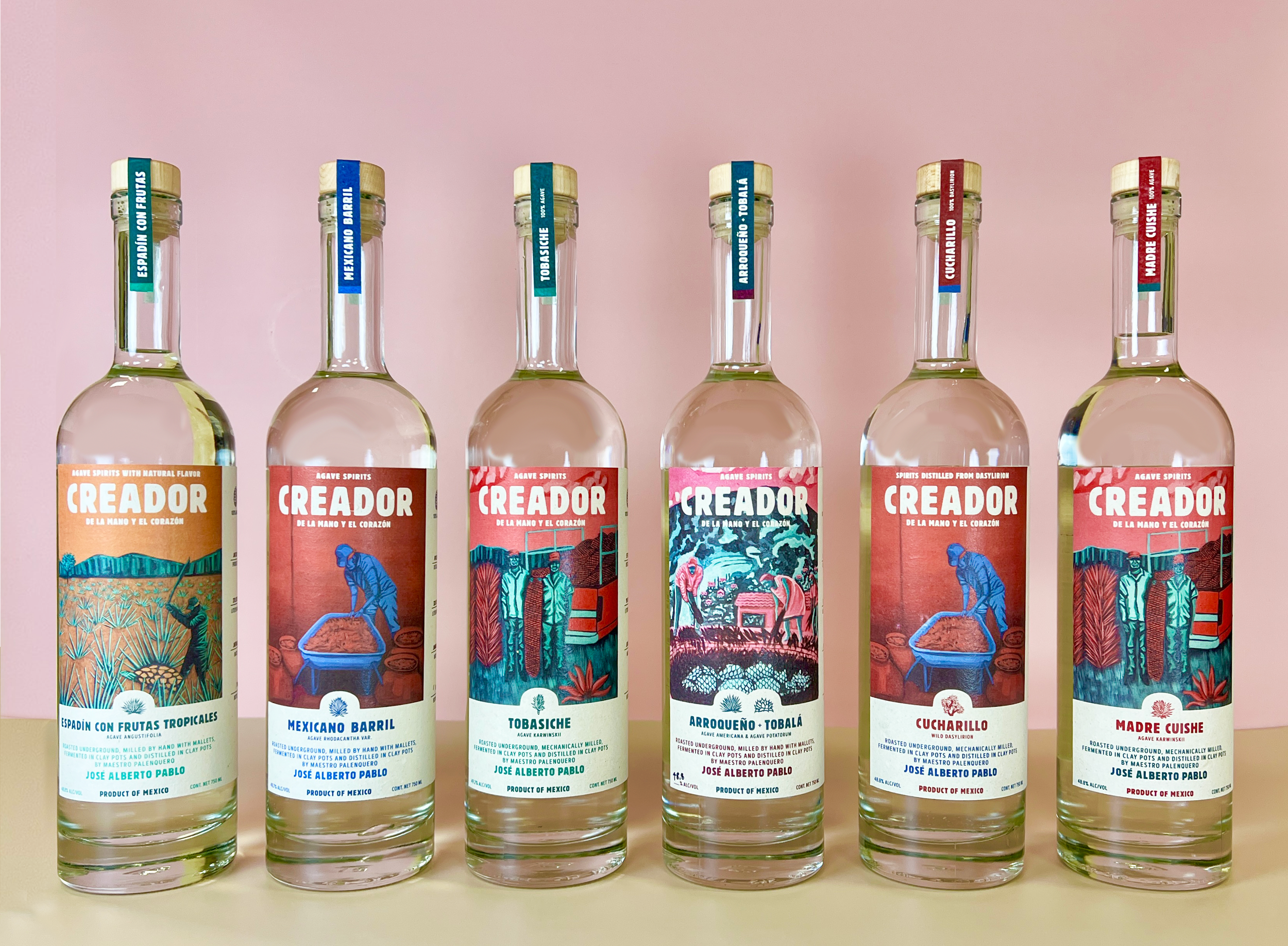
New from maestro mezcalero José Alberto Pablo: six small batches, each one a little bit of a departure - a sotol, an espadín distilled pechuga-style with tropical fruit, a couple of karwinskiis, a big barrel of a Mexicano, and an ensamble from two agaves that rarely end up in the same bottle. Six expressions, all 100% agave (and, for the first time, dasylirion), fermented and twice distilled in clay pots by maestro palenquero José Alberto Pablo.
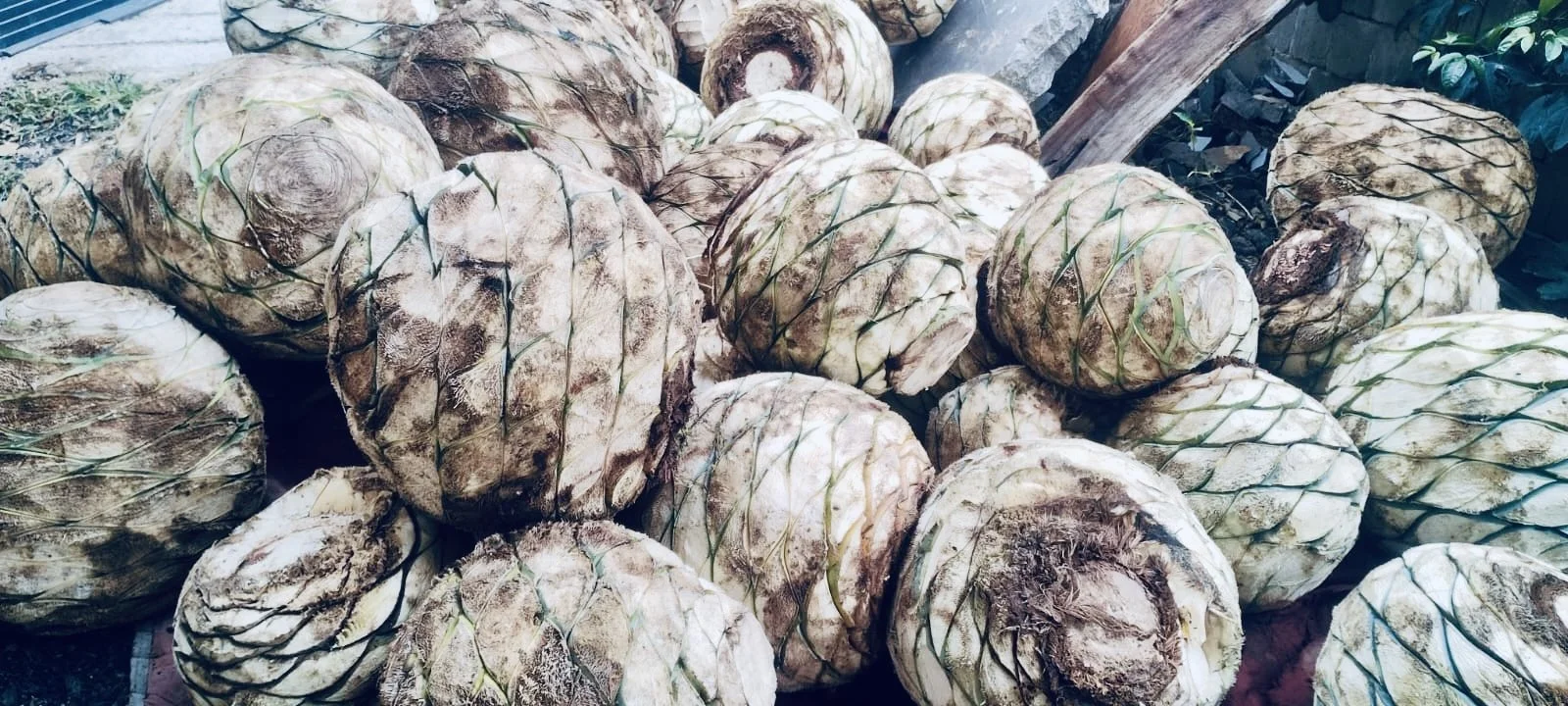
Arroqueño and tobalá piñas
Arroqueño + Tobalá Ensamble
José Alberto builds his ensambles in equal parts, letting each agave keep its own voice rather than blending into one. Here it's arroqueño and tobalá, harvested in San Mateo Yucutindoo, the arroqueño aged 14 to 16 years, the tobalá 8 to 10. José Alberto typically adjusts his final product, using different cuts of the distillate to achieve an 48-49% ABV. One hundred liters of this batch were imported at the standard adjustment (48.8% ABV), and fifty liters were not adjusted and imported at 57% ABV. This high proof batch portion is available exclusively at Suerte in Austin, TX. (Additionally, approximately 18 liters of the high proof batch were put aside to rest in glass and will be released at a later date via Suerte.)
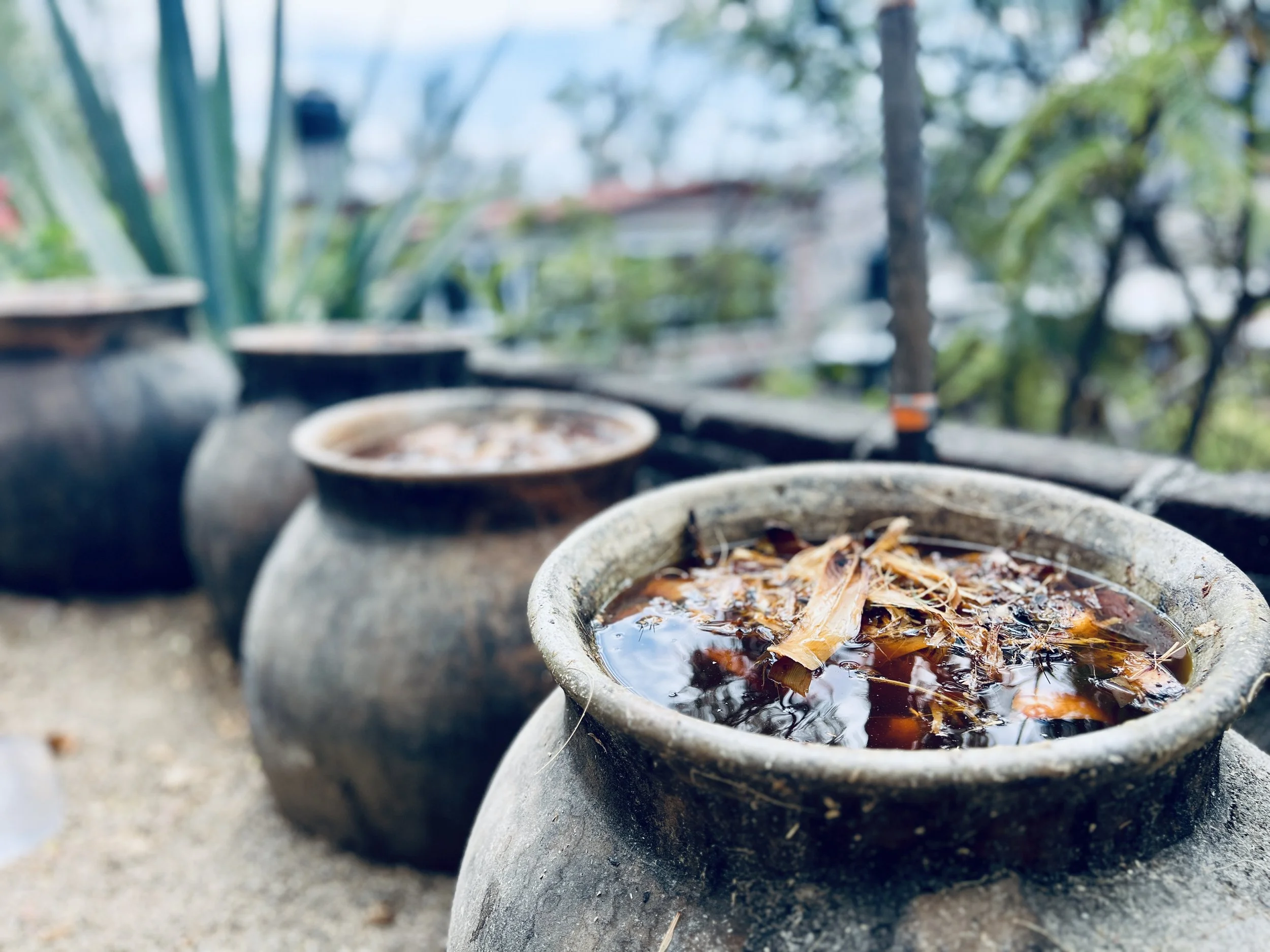
Cucharillo fermenting in clay pots
Cucharillo
Not agave but sotol, from wild dasylirion plants 20 to 25 years old, harvested in the Sierra Sur. As far as we know, it's maybe the first sotol ever fermented and distilled entirely in clay from Oaxaca. The cooked piñas came out dense, almost log-like, and had to be milled with a gas-powered shredder instead of by hand. This is José Alberto's first batch of sotol, or cucharillo as it’s called in Oaxaca.
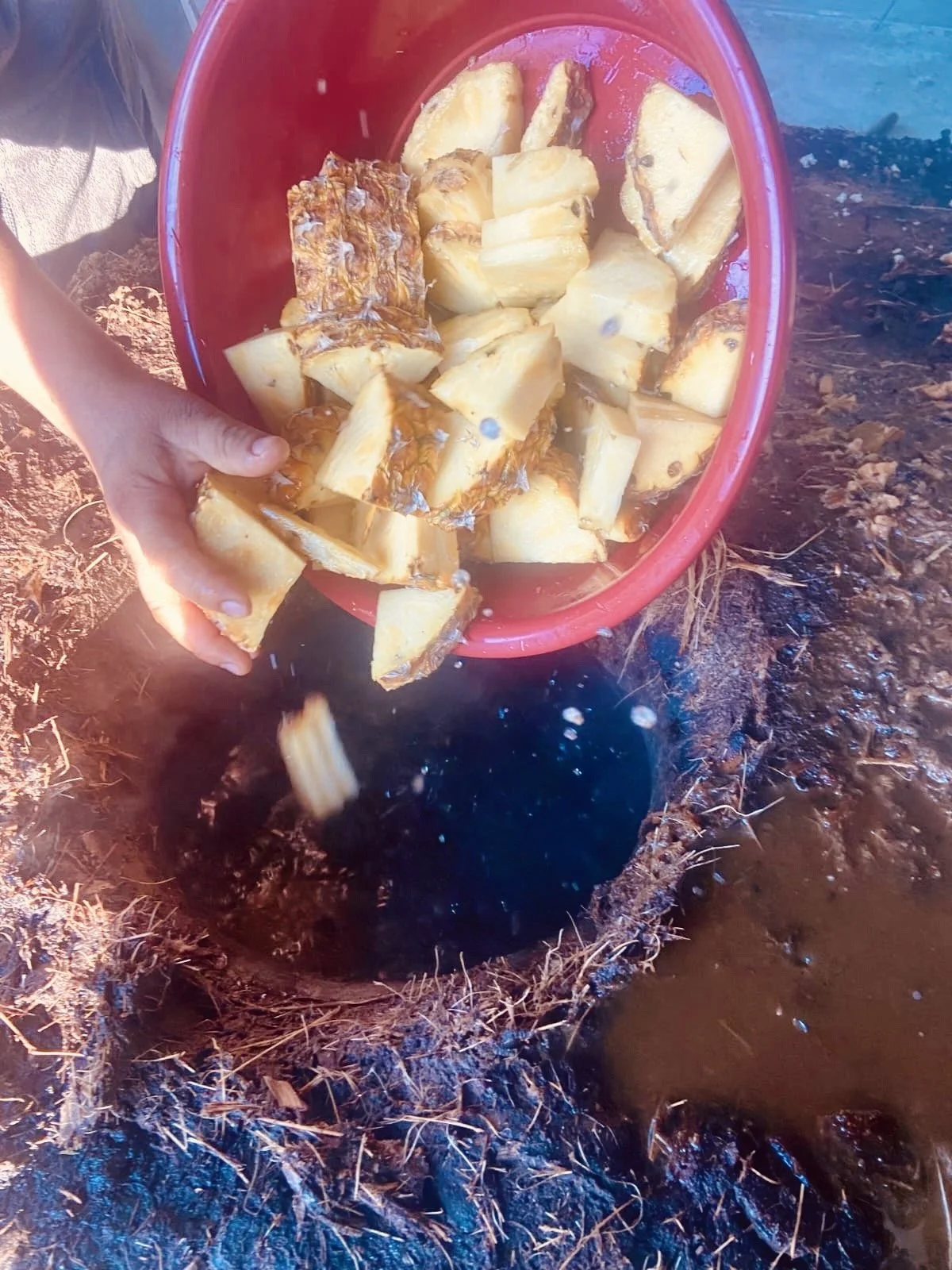
Adding pineapple during the second distillation of Espadín con Frutas Tropicales
A pechuga-style distillation, with fruit instead of animal protein, and agave angustifolia. Roughly 28 kilos of sliced pineapple, peeled mango, and a mix of peeled and unpeeled orange, all sourced from the market in nearby Zimatlán, went straight into the clay pots for the second distillation. In José Alberto's words: all of it added and distributed by hand during that second pass.
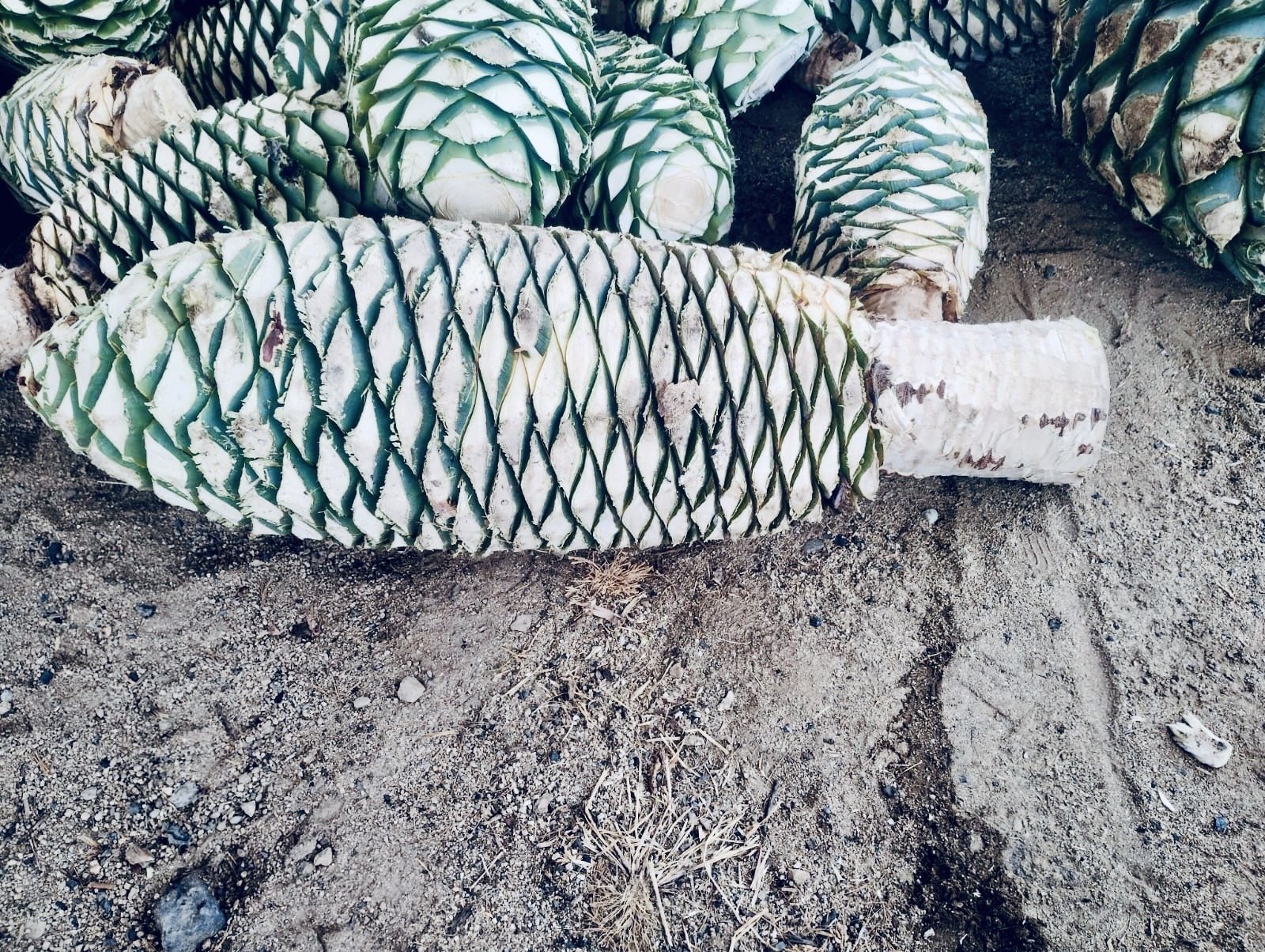
Madre Cuish piñas
Madre Cuish
One of the many varieties of agave karwinskii, which grows tall and slow like a tree rather than low and round like most maguey. This lot spent 12 to 14 years maturing in Santa María Zoquitlán before harvest. This is José Alberto's first batch of Madre Cuish.
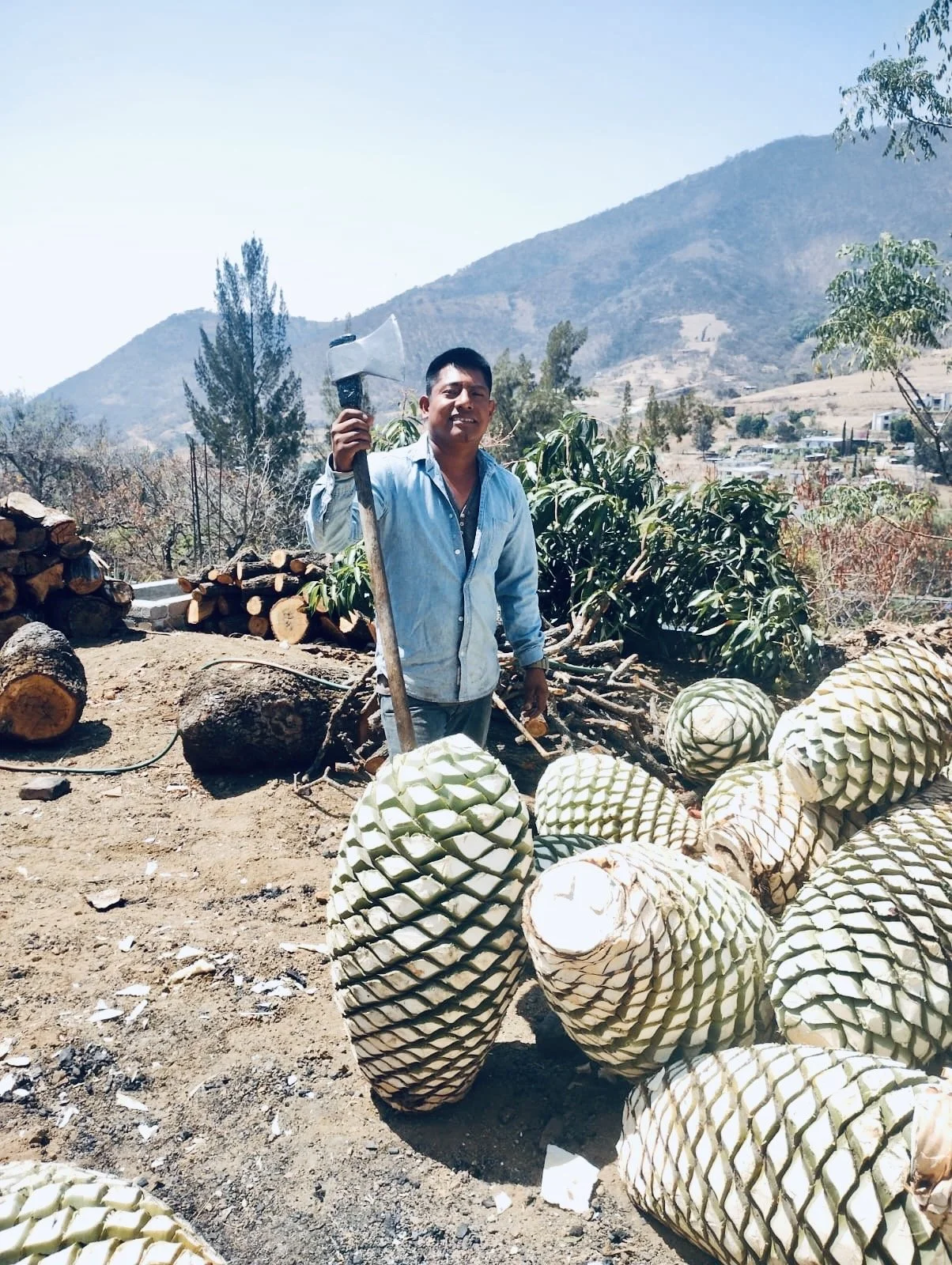
José Alberto and mexicano barril piñas
Mexicano Barril
Grown in Santa María Zoquitlán, this variation of agave rhodacantha (most commonly known as Mexicano) takes its modified name, barril, from its tall, barrel-like shape. It gives up a noticeably sweeter destilado than tall maguey from other regions (such as karwinskiis). This small 50-liter bottling is available exclusively at Mezcalería Tobalá in Austin.
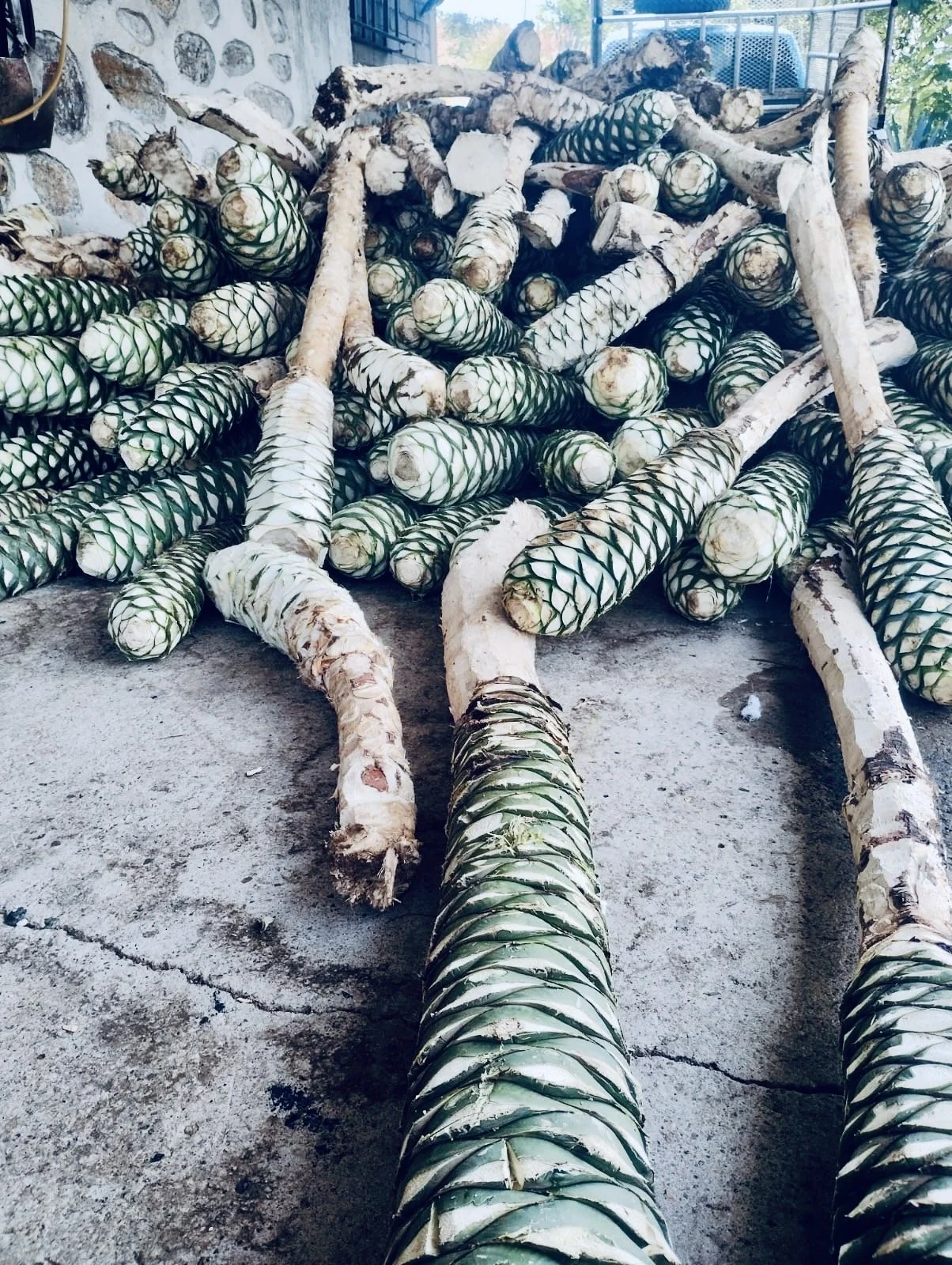
Tobasiche piñas
Tobasiche
Another karwinskii, another slow grower, taking 12 to 14 years to maturity in Santa María Zoquitlán. Like the Madre Cuish, the dense cooked piñas were shredder-milled rather than hand-milled.
I’m excited to share another diverse set of expressions by the hand of José Alberto Pablo, and look forward to hearing and seeing what you think.
Salud!
Marcus
Questions about Release 4, or anything related to Creador? Send an email.